

The relationship between credit score and mortgage rates in Canada isn't as straightforward as you might expect.
Yes, your credit score affects your mortgage options. But having a higher score doesn't automatically mean you'll get a lower interest rate.
In fact, once you meet a lender's credit requirements for a particular mortgage, extra points may make little difference to the rate you're offered. That means a borrower with a score of 750 could qualify for the same rate as someone with 875. And someone with an even lower score may still qualify for a competitive rate, depending on the rest of their application.
At Landmark Mortgages, we look at what's behind your credit score and mortgage rate, the financing you need, and the lenders that fit your situation. Here's how those pieces work together.

Chat with a professional
Book your free discovery call and get personalized mortgage advice.
Book a Call5.0 from 65+ Google reviewsWhy a higher credit score doesn't always mean a lower interest rate for your mortgage
When a lender reviews your mortgage application, your credit score is one of several things they consider. They'll also look at your income, down payment, and the property you're buying.
Improving your credit score can put another lender or mortgage product within reach. If you already meet the credit requirements for a particular mortgage, though, extra points may have little effect on the rate you're offered.
Say you have a credit score of 750 and another borrower has a score of 875. If you both meet the same lender's requirements for the same mortgage product, you could be offered the same rate even with 125 points between you.
If you're thinking about waiting to apply based on your credit score, ask your mortgage broker if a higher score could change the mortgages or rates available to you. You may already have options worth comparing at your current score.
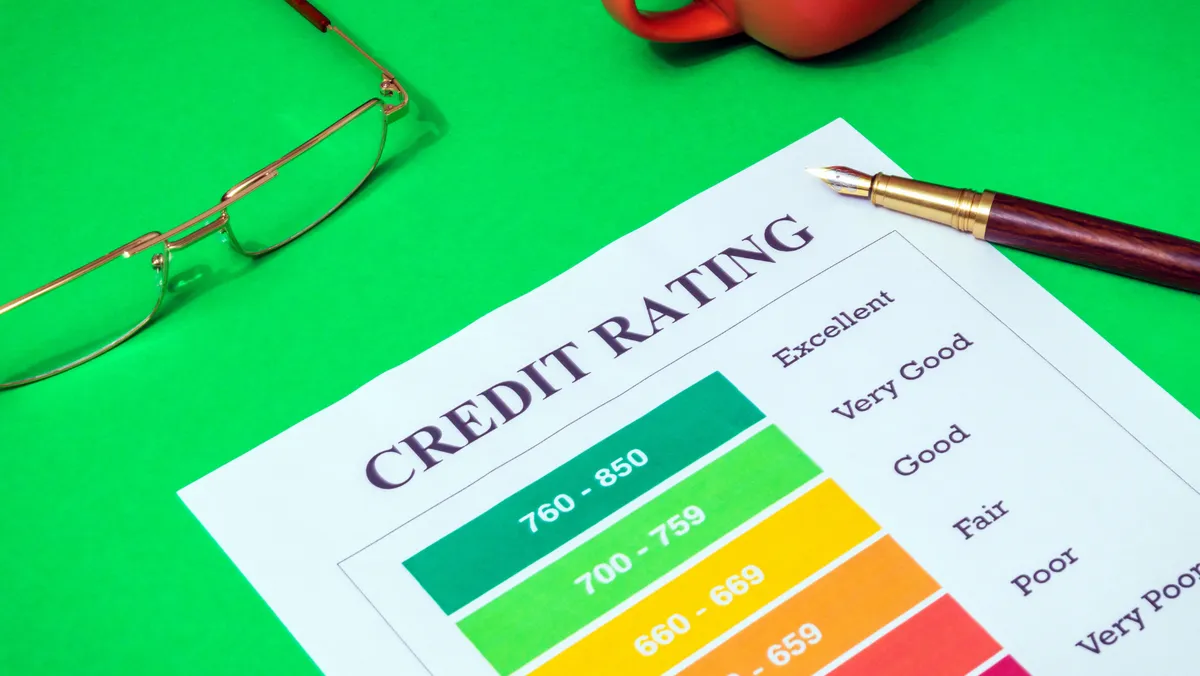
When a lower credit score can change your mortgage options
A lower credit score can affect which mortgages you qualify for and what those options cost. If you don't meet a prime lender's credit requirements, you may still qualify with an alternative lender. However, that mortgage could come with a higher interest rate or additional fees, so it's worth asking what you'd pay in total.
The options that are available to you also depend on what's behind your score. For example, two people with the same credit score can have very different credit histories. One might have high credit card balances and a record of paying on time. The other might have missed payments recently or still owe money on an account in collections.
Your score reflects past borrowing behaviour, and it can take time for recent changes in your finances to show up. That's one reason federally regulated lenders are advised to look at your wider credit history under OSFI's mortgage underwriting guidance.
If your score is lower than you expected, make sure to check your full credit report so you know what a lender is likely to see. If a missed payment followed a temporary drop in income, for example, your mortgage broker can help you explain what happened and identify any documents that show what's changed since then.
Typical mortgage credit score thresholds
You may see 600, 650, and 680 mentioned as minimum credit scores for a mortgage. The number that matters for your application depends on the lender, the mortgage you're applying for, and any mortgage default insurance requirements.
Here's where each of those scores can come into play.
600: An insurance eligibility minimum in some cases
A credit score of 600 often meets the minimum credit requirement for some insured mortgages.
In Canada, you'll generally need mortgage default insurance if your down payment is less than 20% of the home's purchase price. You typically pay for the insurance, and it protects the lender if you stop making your mortgage payments.
For example, the Canada Mortgage and Housing Corporation (CMHC) requires at least one borrower or guarantor to have a credit score of 600 or higher under its Purchase program. It's worth noting, though, that this is CMHC's minimum for mortgage insurance, and your lender may set a higher minimum for the mortgage itself.
650: A threshold to check against the specific program
A credit score of 650 can open the door to mortgages with banks and other mainstream lenders. Your options also depend on what you need the mortgage for and how the lender assesses the rest of your application.
There is no nationwide rule that a score of 650 qualifies you with every bank or triggers a particular interest rate. A purchase, refinance, rental property, and self-employed application can each involve different requirements.
680: Relevant to some eligibility and flexibility decisions
A score of 680 can give you access to mortgages with a higher credit cutoff. Once you meet that cutoff, the lender still needs to assess the rest of your application to determine what you can borrow and which rates and terms are available.
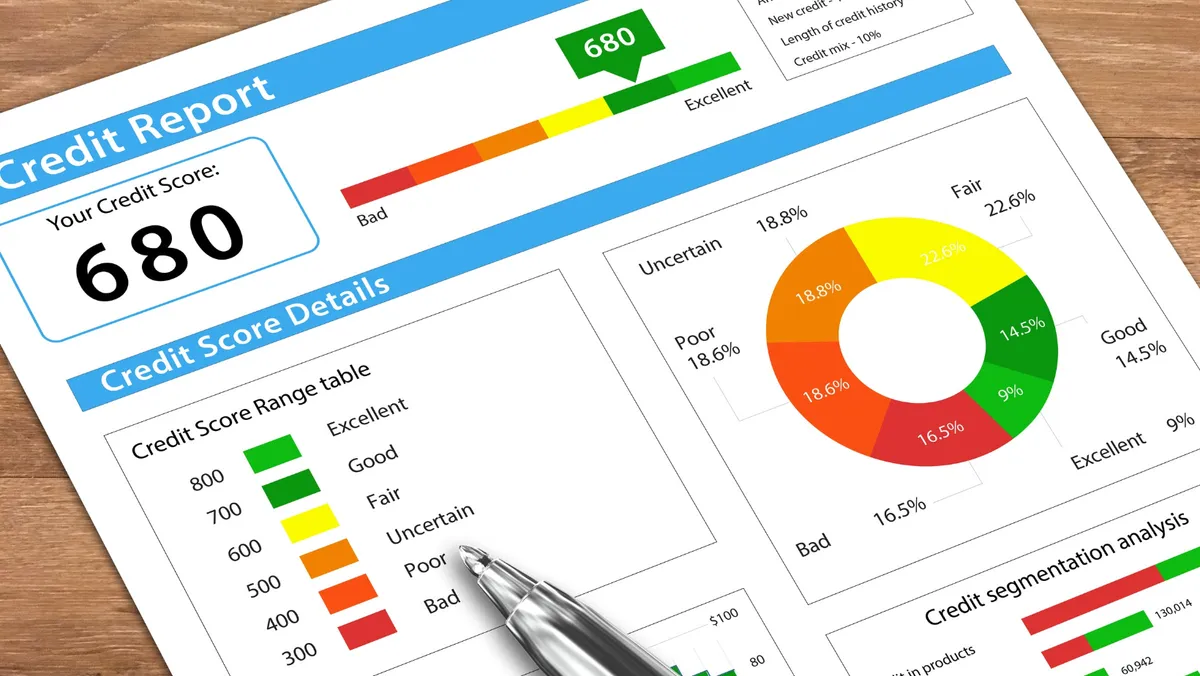
How your credit profile can affect your borrowing power
Two borrowers can qualify for the same mortgage rate and be approved to borrow different amounts.
To work out how much you can borrow, lenders look at your income, your expected housing costs, and the debts you already pay each month. Your credit history can also affect how much a lender is comfortable approving under its policies.
Lenders commonly use two calculations to see how much of your income would go toward housing and debt:
- Gross debt service (GDS) is the share of your income before tax that would go toward housing costs, such as mortgage payments, property taxes, and heating.
- Total debt service (TDS) includes those housing costs plus payments on other debts, such as a car loan or credit card.
Paying down a credit card can help in two ways. It can reduce the share of your available credit you're using, and it may lower the monthly debt payment a lender counts when working out how much you can borrow. That second benefit can matter even if your credit score stays the same.
Bonus resources: Mortgage Affordability Calculator and Payment Amount Calculator
Internal lender ratings and exceptions
Some lenders also give your overall application an internal rating. This rating can reflect things like your payment history, how steady your income is, how much you have in savings, and the details of the mortgage you're applying for. This helps the lender decide how much to lend or if there's room to make an exception to one of its usual requirements.
Each lender has its own way of assessing your application, so two lenders can review the same credit report and reach different decisions. Any exception depends on the lender's policies and the insurance or regulatory requirements that apply.
At Landmark Mortgages, we look for lenders whose requirements fit your circumstances and help you gather the documents they'll need. If you own a business, that includes looking at how different lenders assess self-employed income and what they'll accept as proof of what you earn.

Preparing for a mortgage with a lower credit score
If you're concerned about your credit score and mortgage rate, here are a few things you can do to understand your options and get ready to apply.
Review your credit reports
Check your reports with both Equifax and TransUnion. Look for accounts you don't recognize, balances that look wrong, or payments marked late that you made on time. You can check your own reports without lowering your score, so it's worth looking at both so you know what you're dealing with.
If you spot an error, contact the credit bureau that shows it and keep copies of any records that support your dispute. If an entry is accurate and there's more to the story, gather documents that show what happened and what's changed since then. For example, if you've caught up on an overdue account, keep a statement or confirmation showing it's up to date.
Protect your payment history and reduce balances
Make at least the minimum payment on each account by its due date. If you think you'll have trouble making a payment, contact your creditor as soon as possible to discuss your options.
If your budget allows, pay down balances on credit cards and lines of credit. The Financial Consumer Agency of Canada suggests using less than 30% of your available credit. For example, if your combined credit limit is $10,000, that means keeping your combined balance below $3,000.
Before taking on new debt, such as financing a car, ask your mortgage broker how the extra monthly payment could affect what you can borrow. Credit scores can also take time to change, so focus on steps that fit your budget and when you'd like to buy.
Have your mortgage options reviewed before committing
Give yourself plenty of time to review your income, down payment, and credit with a mortgage broker before you find a home you want to bid on.
At Landmark Mortgages, we have a pre-approval process where we explain which lenders may consider your application. We'll also flag anything you'll need to address before you make an offer on a house.
If you're looking at an alternative lender or private financing, ask what you'd pay in interest and fees and when the term ends. Think through how long you expect to need the mortgage, then ask what it would cost to pay it off early and what your options would be when the term is up. The costs and conditions can vary quite a bit with alternative options, so you'll want to fully understand how the mortgage would work before you commit.

Reviewing your renewal options after a credit score drop
Your credit score can change after you've bought your home. When your mortgage term ends, you'll usually need to renew if you still owe money on the home. That's when you agree to a new term and interest rate on the balance you have left.
If your score has dropped since you last signed and your lender offers you a higher rate at renewal, ask what's behind the offer. Mortgage rates may have changed in the meantime, and the rate you're offered can also depend on how long the new term is and if it's fixed or variable. Ask your lender what other terms and rates are available so you have something to compare with the first offer.
At Landmark Mortgages, we always recommend starting the renewal conversation at least four months before your term ends, especially if your credit score has dropped. That gives you time to find out how the drop in your score could affect your options and compare offers before you decide.
If you do decide to switch, the new lender will need to approve your application and may use different credit requirements, so make sure to factor that into your timeline.
Have questions about your credit score and mortgage rate? Let's talk
You don't need a perfect credit score to secure a reasonable mortgage rate. But you do need to know which requirements apply to you, what your full application supports, and if any changes would improve your options.
At Landmark Mortgages, we can review those details with you and explain the trade-offs. If you're buying, refinancing, or approaching renewal in BC or Alberta, feel free to book an introductory call. We'll help you understand how your credit score influences your mortgage rate and whether working on your credit before you apply could give you more options.